

ATANAS PATSEV. PORTRAITS AND SELF-PORTRAITS
100 Years Since the Artist’s Birth
2 юни – 13 септември 2026
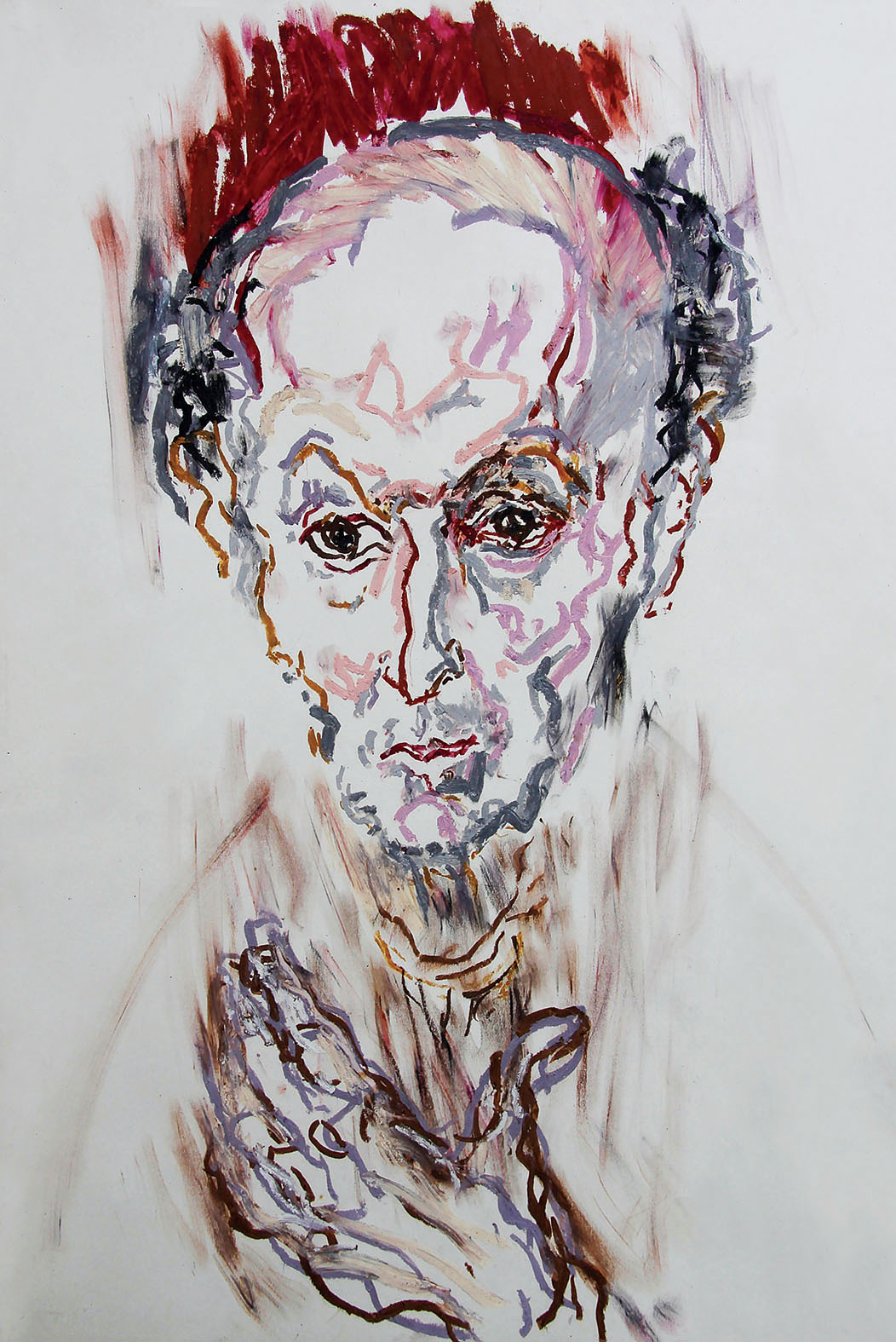
The exhibition Atanas Patsev. Portraits and Self-Portraits is part of the Generations programme at the Dechko Uzunov Art Gallery, a branch of the Sofia City Art Gallery, which aims to promote the life, creative work, and teaching career of the artist Dechko Uzunov. The year 2026 marks the 100th anniversary of the birth of Atanas Patsev (1926–1999), who enrolled at the Academy of Arts in the fateful fall of 1944 in the class of Prof. Iliya Petrov, but chose to study and graduate under Prof. Dechko Uzunov. To commemorate this occasion, the Sofia City Art Gallery is presenting an exhibition of the artist’s works in the gallery’s collection created during the 1970s and 1980s.
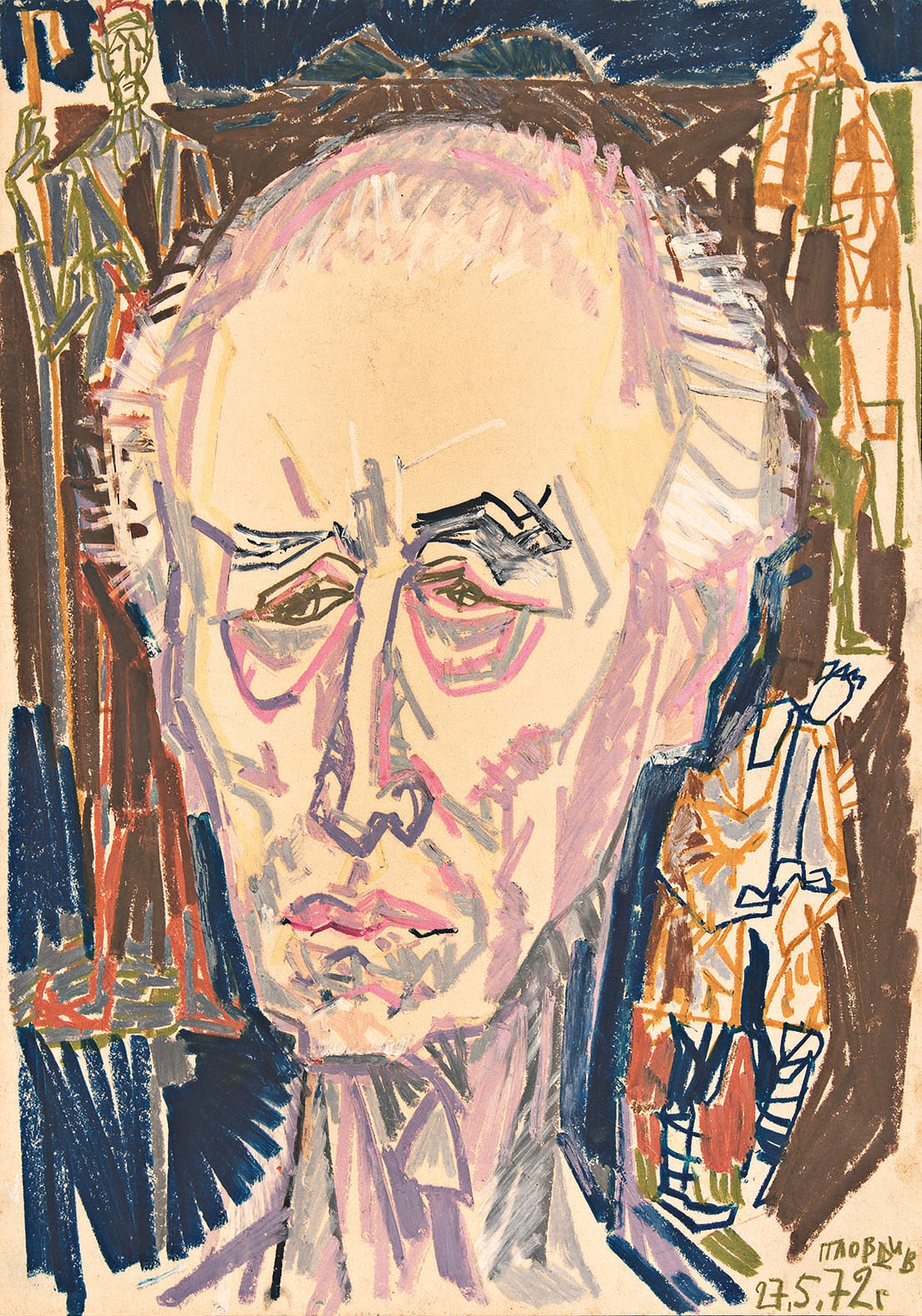
For Patsev, the person on the other side of the easel represents an opportunity for unity, or as he himself writes: “In portraiture, you give and you take; you come to understand things about your model and about yourself, about that commonality to which you both belong.” The Sofia City Art Gallery holds some of his most significant portraits, which include: Zlatyu Boyadzhiev, the artist the artist whose disciple he was; marginalized artists such as Kiril Petrov, Vasil Barakov, and Petar Mladenov; Radoy Ralin and Boris Dimovski, who were denounced for their book Hot Peppers; and students from the Academy of Art, with whom he exchanged thoughts, concerns, and perceptions about the world and art.
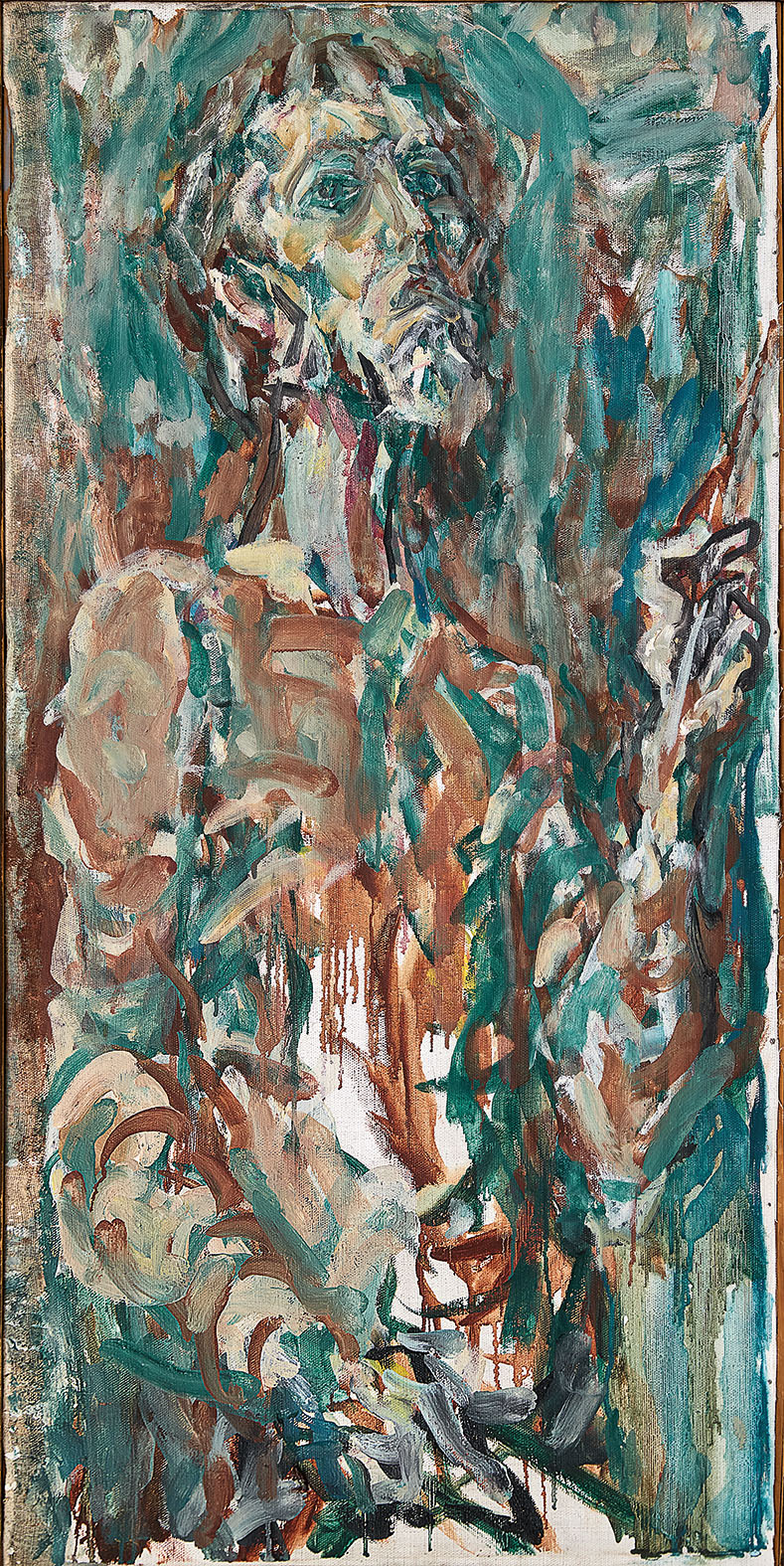
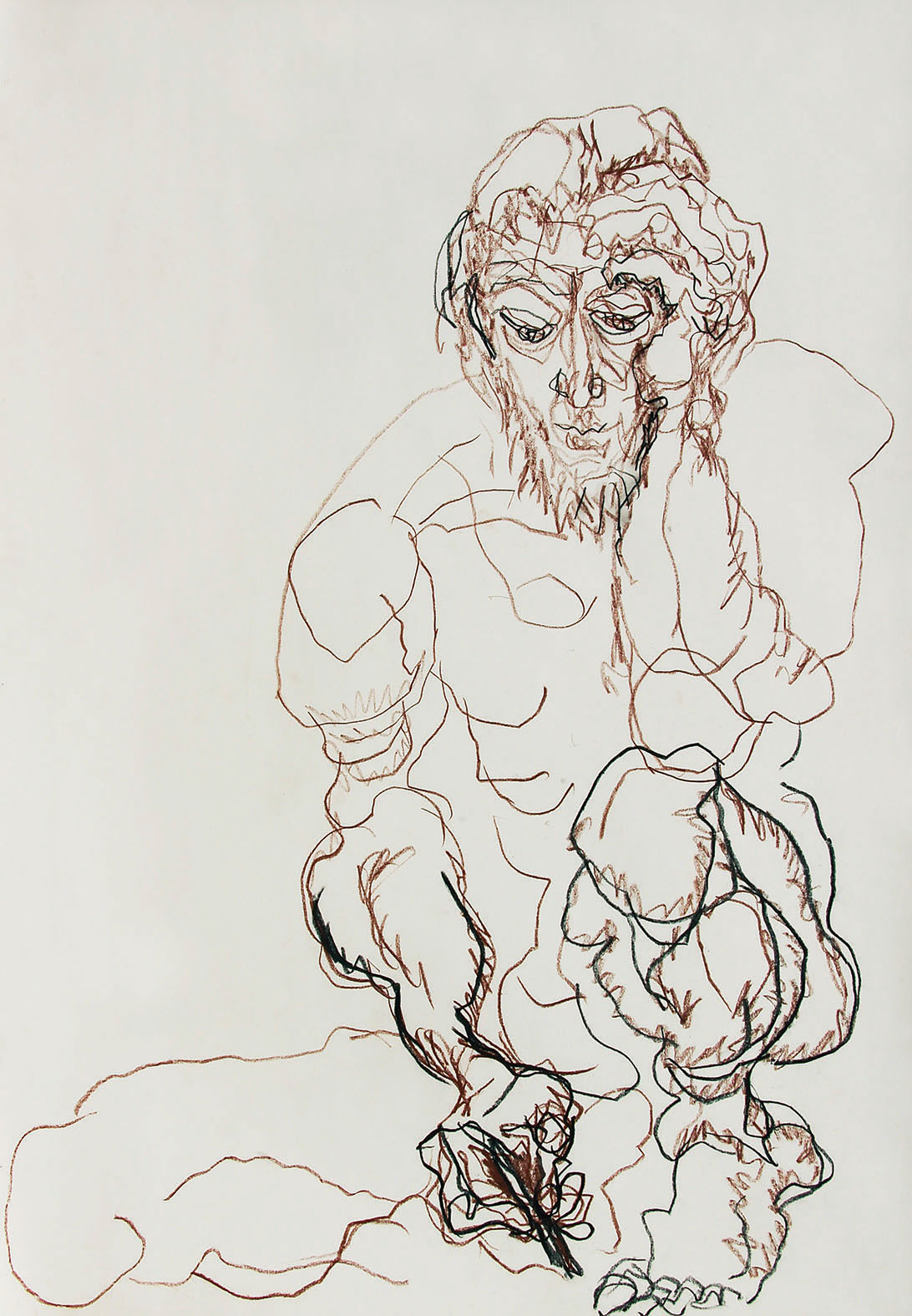
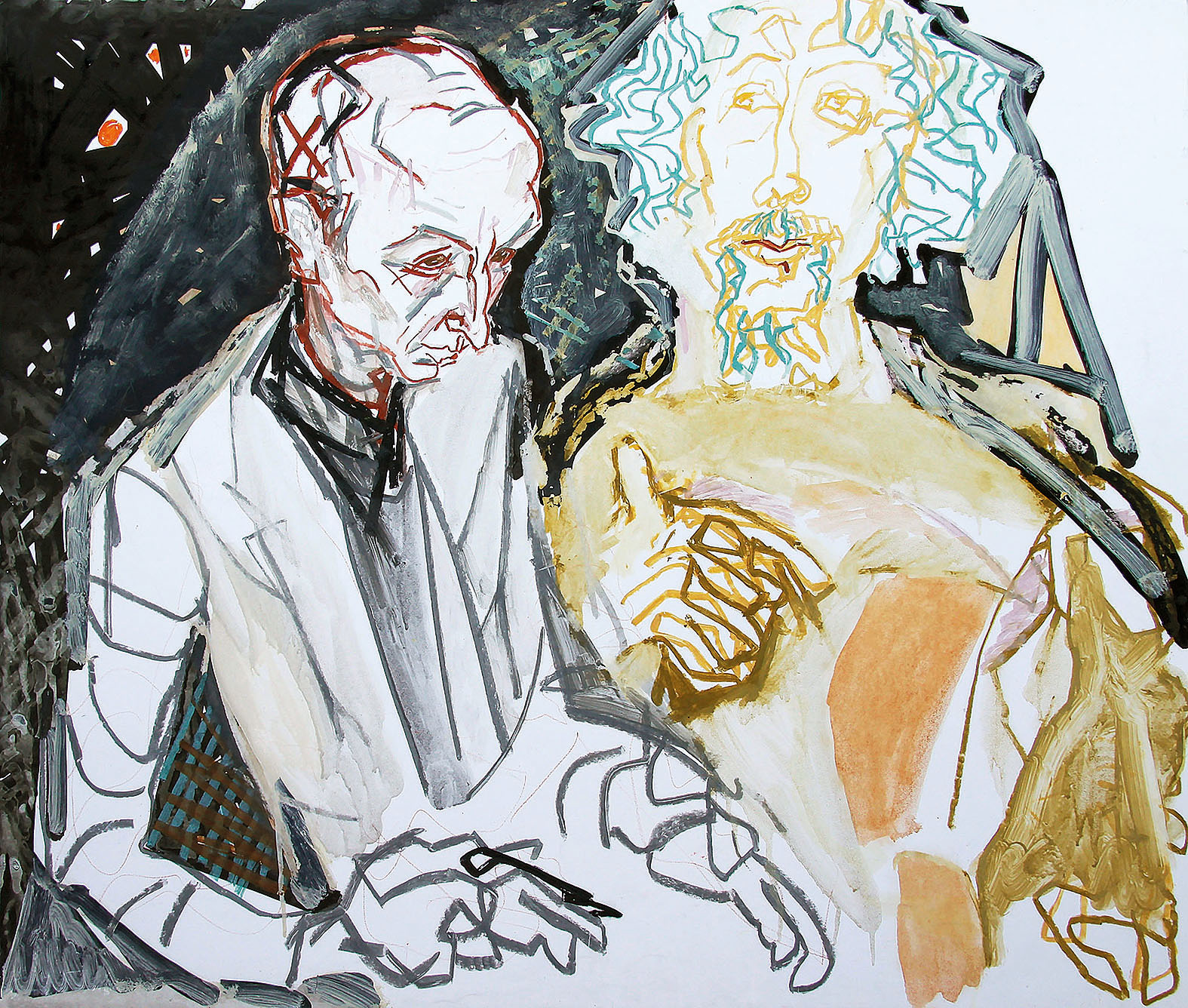
The exhibition includes two double self-portraits that present the artist’s hypersensitive spirit, constantly questioning and wavering: Patsev as the man painting ecstatically, and Patsev, shaken by doubts, sharing his thoughts on his oil self-portrait:
“White is a formidable paint. It turns colours grey, deadens them, but it can unify them, make them denser. And here, in this portrait – with its expression of fear, self-doubt, and conscious helplessness – on this elongated piece of canvas, there’s something complete. It is still scattered, like everything in me. But this scatteredness has a common fabric. A unified scatteredness. Beiges and greens, they convey a sense of despair. Yes, there is despair. I look at myself and see my weakness. I cannot cope with the problems of painting. There’s an off-white quality in the colours. This is my white flag. I have given up trying to strain, to push myself, to show off. A weak man and a weak artist. And yet I continue to persevere. Can I really admit my defeat? […]”
“The artist throws himself into the vast waters of memory with all his might. He dives in like a swimmer and remains there like a drowned man, a living drowned man. This green self-portrait truly resembles a drowning man. Let it be a drowning man. In most of my paintings, I am drowning and clinging to a straw. A drowning man to a straw. Here I’m just a drowning man without a straw, whether because the straw is missing or I lack the desire to grab it. It’s enough that there’s no straw and the self-portrait is underwater. Underwater, where the light is refracted.” (Diaries. Notebook No. 11, April 13, 1982).*
*The artist’s thoughts on his 1982 self-portrait.
As part of the exhibition, visitors can also watch a film dedicated to the work of Atanas Patsev.